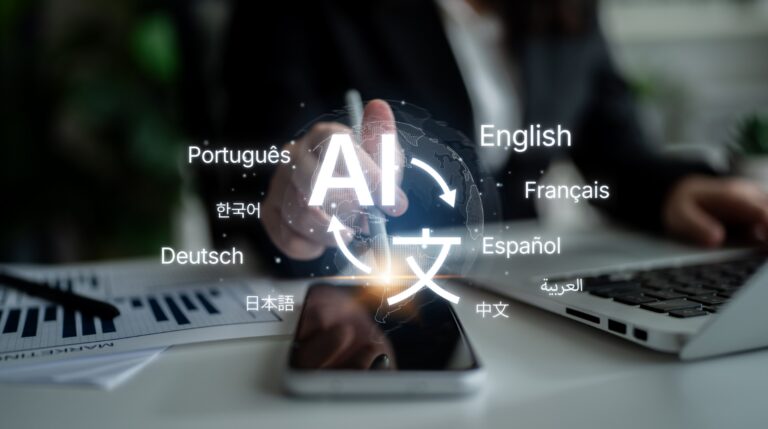

HR document translation is becoming increasingly important as organizations support multilingual workforces across onboarding, compliance, benefits, and workplace communication. As workplaces become increasingly multilingual, HR teams are under growing pressure to communicate clearly across languages while balancing efficiency, compliance, and employee experience. AI translation tools have made it easier to translate content quickly, but not every HR document is appropriate for AI-only translation.
Documents involving legal obligations, employee safety, benefits, or workplace policies require a higher level of accuracy and contextual understanding. A mistranslation in these areas can lead to confusion, compliance risks, or employee distrust.
That’s why many organizations are now evaluating which HR content is safe for AI translation and which documents require professional human review. If you’re unsure whether a document is appropriate for AI translation, check out our AI Translation Risk Assessment to evaluate potential risks based on content type, audience, and business impact so your HR team can make informed translation decisions with confidence.
1. Employee Handbooks
Employee handbooks are foundational HR documents that outline workplace expectations, company policies, code of conduct, attendance guidelines, anti-harassment policies, and organizational culture.
When these documents are poorly translated, employees may misunderstand:
- Workplace expectations
- Reporting procedures
- Compliance requirements
- Company policies
Because handbooks often contain legal and policy-sensitive language, relying solely on AI translation can create inconsistencies or unintended interpretations. Accurate translation ensures all employees receive the same information regardless of language.
Language barriers can make it difficult for employees to fully understand workplace policies, expectations, and reporting procedures, particularly in organizations with diverse and multilingual workforces. Professionally translated employee handbooks help HR teams communicate critical information more clearly, reduce misunderstandings, and support a more inclusive workplace environment for all employees.
HR Executive notes that linguistic diversity is an important part of workplace inclusion and communication, particularly as organizations work to support employees from different cultural and language backgrounds.
2. Benefits Enrollment & Healthcare Documents
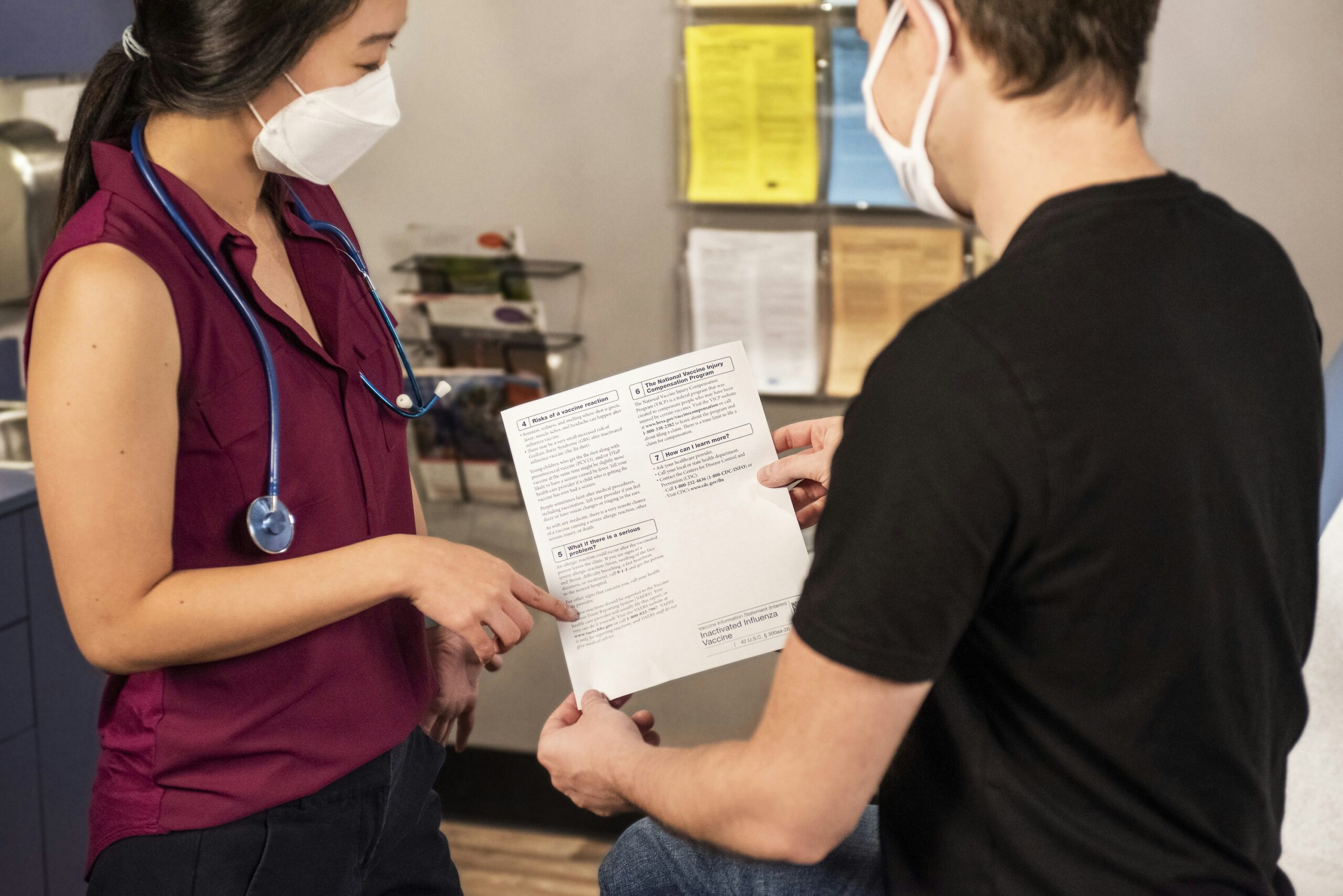
Benefits information can already be difficult to understand in a single language. Translating healthcare coverage details, retirement plans, leave policies, and enrollment instructions inaccurately can create significant confusion for employees.
These documents often include:
- Eligibility requirements
- Healthcare terminology
- Deadlines and enrollment instructions
- Financial contribution information
Even small translation errors may impact employee decision-making or satisfaction with benefits programs. HR teams should ensure these materials are reviewed for clarity, accuracy, and cultural understanding before distribution.
3. Workplace Safety & Compliance Documents
Safety-related documentation should never leave room for interpretation.
Emergency procedures, OSHA notices, compliance policies, workplace safety manuals, and training materials need to be translated clearly so employees fully understand expectations and procedures.
Professionally translated safety documents help organizations:
- Reduce workplace accidents
- Improve compliance efforts
- Support employee confidence
- Ensure equal access to critical information
The Occupational Safety and Health Administration (OSHA) emphasizes that training must be provided in a language employees can understand in order to ensure workplace safety and compliance.
4. Training & Development Materials
Training programs are only effective when employees fully understand the content being presented.
This includes:
- Onboarding materials
- Leadership development resources
- Diversity and inclusion training
- Technical instructions
- Performance management materials
While AI translation may assist with basic internal communication, training content often contains company-specific terminology, instructional nuance, and cultural context that benefit from professional review.
Well-translated training materials also create a more inclusive workplace experience and support long-term employee success.
5. Employment Contracts & Legal Agreements
Employment agreements contain legally binding language that must be translated carefully and accurately.
These documents may include:
- Compensation details
- Confidentiality agreements
- Non-compete clauses
- Termination policies
- Workplace expectations
A mistranslation in an employment agreement can create legal disputes, misunderstandings, or compliance concerns. Because of the high level of risk associated with legal HR documentation, human oversight remains essential when translating these materials.
Why HR Document Translation Matters
HR communication impacts every stage of the employee experience, from onboarding and benefits enrollment to safety training and workplace policies. When employees can clearly understand important documents in their preferred language, organizations create stronger communication, improve engagement, and reduce unnecessary risk.
Accurate translation helps HR teams:
- Improve employee trust and retention
- Reduce compliance and legal risks
- Support workplace safety initiatives
- Create more inclusive employee experiences
- Maintain consistency across multilingual teams
As AI translation adoption increases, organizations are recognizing that speed alone is not enough for high-stakes HR communication. Understanding the risk level of each document type is becoming an essential part of modern HR operations.
Not every HR document translation workflow carries the same level of risk, especially when using AI translation tools.
Determine Which HR Documents Are Safe for AI Translation
Not every document carries the same level of translation risk. Evaluating risk before translating sensitive content helps organizations build safer and more reliable HR document translation processes.
Check out our AI Translation Risk Assessment, that helps organizations evaluate when AI translation is appropriate and when professional human review is necessary. By assessing content complexity, compliance exposure, employee impact, and communication sensitivity, HR teams can build safer and more effective translation workflows. An effective HR document translation strategy should balance efficiency, accuracy, compliance, and employee understanding.